Signup Incentives: Easing Player Movement from Virtual Card Games to Association Football Betting in Regulated Jurisdictions
Bianca Müller · Oct 19, 2026
Signup Incentives: Easing Player Movement from Virtual Card Games to Association Football Betting in Regulated Jurisdictions
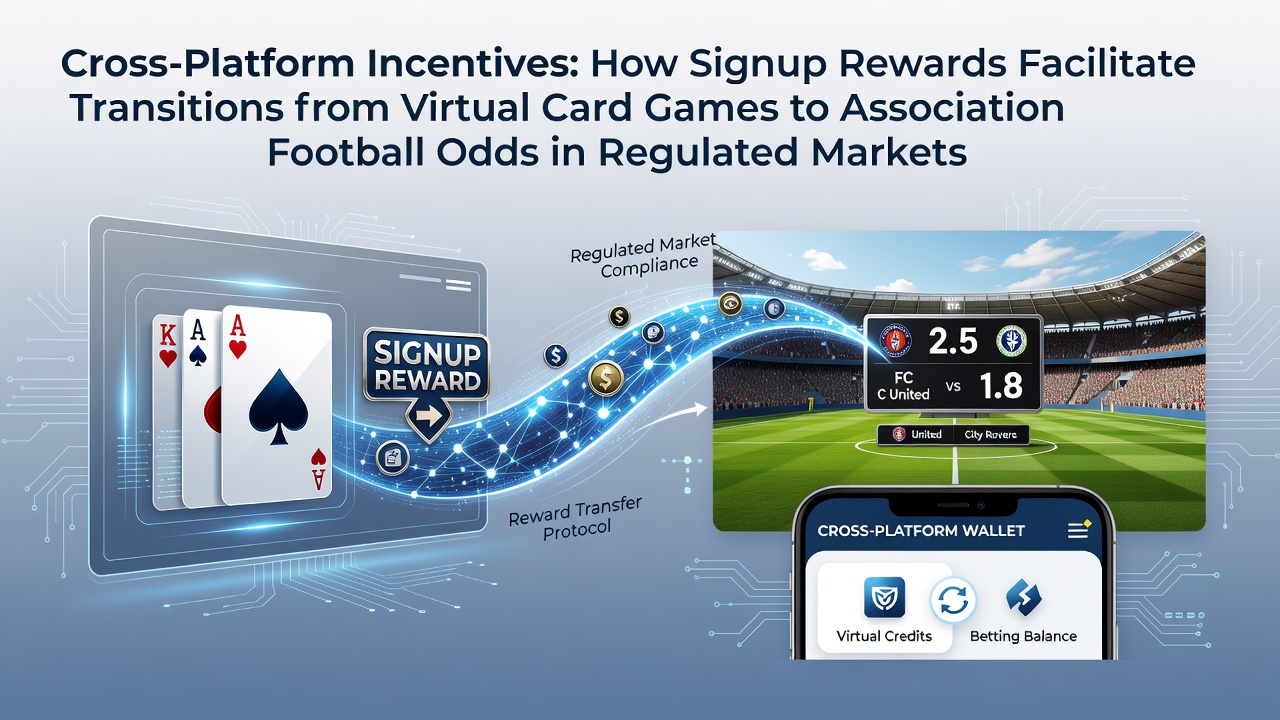
Signup rewards have become a common mechanism across licensed platforms where operators structure welcome packages to guide users from virtual card game environments into association football odds sections and observers note that these incentives often include deposit matches, free spins, or cashback credits tied to initial activity levels.
Virtual Card Game Foundations in Licensed Markets
Virtual card games such as digital blackjack and poker variants generate steady engagement in regulated jurisdictions because platforms maintain random number generators that comply with fairness standards set by bodies like the Ontario Lottery and Gaming Corporation while data from industry reports indicate that players frequently start with these titles due to familiar rules and quick session times.
Researchers at academic institutions have documented patterns where initial signup bonuses encourage extended play in card sections before users explore other categories and one study from a Canadian research group revealed that bonus wagering requirements can direct activity toward higher-volume offerings when thresholds align with football market liquidity.
Mechanics of Signup Rewards and Cross-Platform Shifts
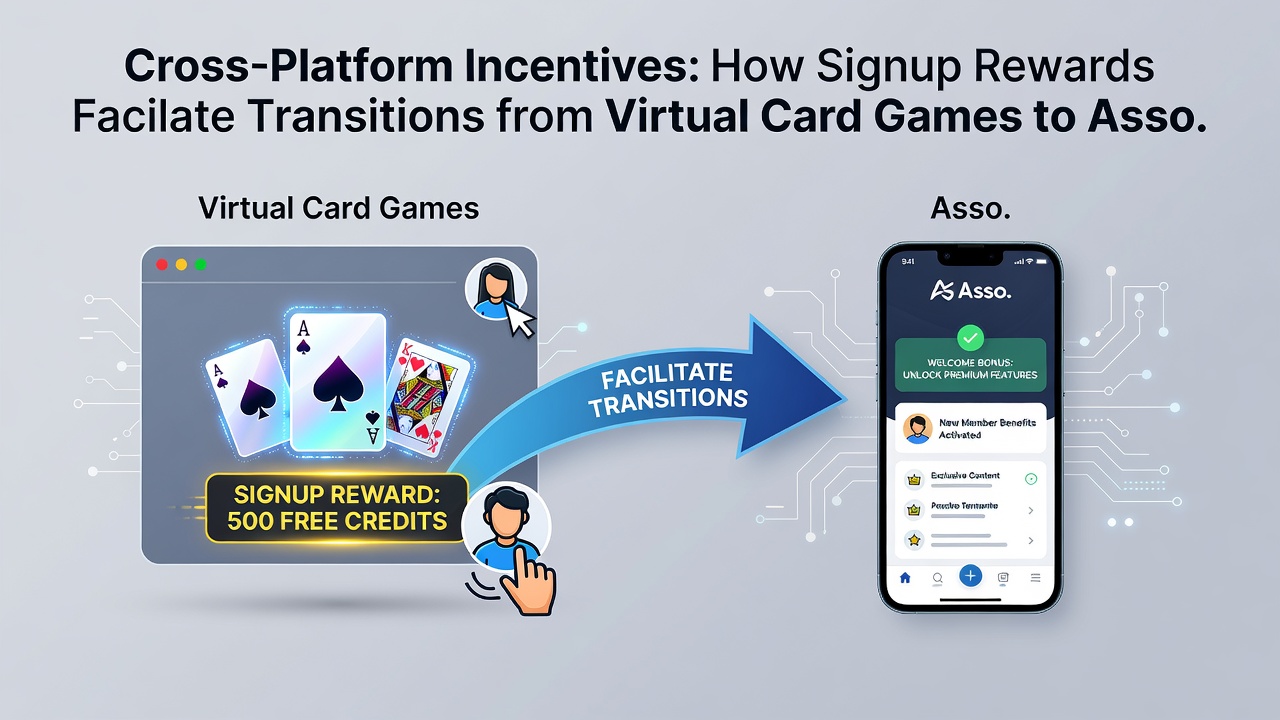
Operators design these rewards with tiered structures that unlock additional credits after users complete card game milestones and such systems often feature progressive multipliers that apply to bets placed on association football events once the card game portion concludes; this creates a natural pathway because the rewards carry over without requiring separate verification steps.
Figures from European trade associations show that platforms integrating these incentives report increased session continuity and experts have observed that users who begin with card games under bonus terms demonstrate higher conversion rates to soccer odds when the reward includes flexible withdrawal options after meeting playthrough criteria.
Regulatory Frameworks Supporting These Transitions
Regulated markets enforce strict advertising and bonus disclosure rules that require clear terms for cross-category promotions and in jurisdictions outside the UK such as those overseen by the Australian Communications and Media Authority operators must display wagering requirements upfront while maintaining separation between game types to prevent misleading claims.
Data released in October 2026 from North American regulatory filings highlighted that compliant platforms using signup rewards saw measurable shifts in user behavior from card games to football markets without violating responsible gaming thresholds and industry organizations tracking these metrics noted stable revenue distribution across categories when incentives followed prescribed guidelines.
Market Data and Observed Patterns
Industry reports compiled by international gaming associations indicate that signup rewards contribute to diversified activity where users transition smoothly because the incentives reduce initial financial exposure in new categories and one analysis covering multiple licensed operators found that football odds sections experienced elevated traffic following card game bonus completions during peak periods.
Those who monitor platform analytics point out that reward structures incorporating both card and soccer elements tend to sustain longer user lifecycles compared to single-category offers while evidence from academic papers on behavioral economics suggests that the psychological effect of unlocked bonuses encourages exploration across game types without external pressure.
Examples from Diverse Jurisdictions
In markets regulated by entities such as the Malta Gaming Authority operators have implemented bonus programs that link virtual card play directly to association football wagers through shared loyalty tiers and similar approaches appear in Canadian provincial systems where data shows consistent uptake when signup packages highlight cross-platform flexibility.
Researchers tracking these developments note that platforms in Australia and select EU regions report comparable trends where users who engage card games first under incentive terms later allocate portions of their activity to soccer odds once the reward conditions are satisfied and this pattern holds across different regulatory environments that prioritize transparency in bonus terms.
Conclusion
Signup rewards continue to function as structured tools that support user movement between virtual card games and association football odds within regulated frameworks and available data from multiple oversight bodies demonstrate how these incentives operate under compliance requirements while facilitating category transitions. Platforms that align bonus mechanics with regulatory standards maintain consistent engagement across game types and ongoing reports from industry and academic sources track these dynamics as markets evolve.